Where AI Inherits the Tempo of Infrastructure
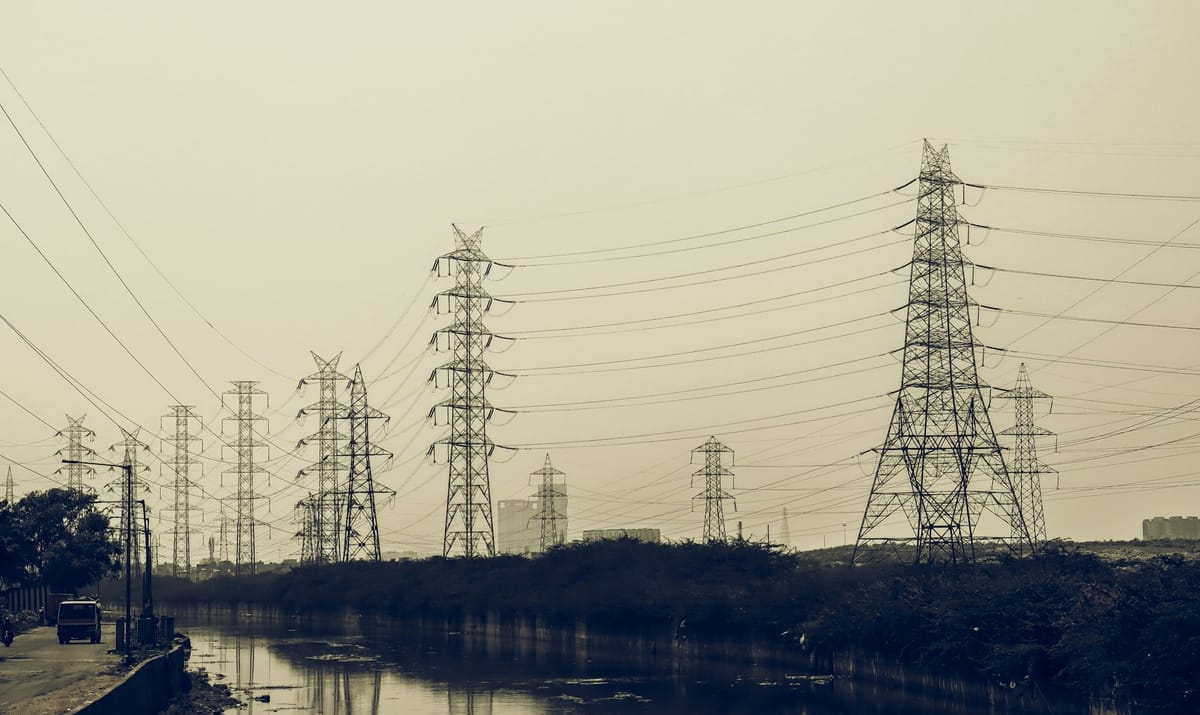
Not all AI scales by code. Some of it scales by permits, steel, and time.
Sequence Cannot Be Skipped
AI is often discussed as software, but parts of its development now resemble heavy industry. Not in appearance, but in constraint. Progress is no longer gated by models alone, but by power, land, transmission, permits, and timelines that do not compress on demand.
High-voltage transmission lines take years to plan and build. Grid connection permits move through environmental review, public hearings, and land acquisition. Transformers sit in multi-year queues. Power purchase agreements are signed decades in advance.
These are not bottlenecks that respond to urgency. They respond to sequence.
Capacity Before Use
As compute density rises, so does the character of dependency. A single AI rack now draws orders of magnitude more power than traditional data infrastructure. Scaling no longer means deploying more code. It means securing capacity that exists outside the software stack entirely.
This is why timelines matter more than intentions. Infrastructure does not wait for clarity. It requires commitment before certainty, contracts before demand, positioning before use.
In this regime, access becomes uneven. Regions with excess generation, permissive permitting, or legacy grid slack absorb growth. Others wait, not because demand is absent, but because sequence cannot be skipped.
The result is a divergence that looks technical but behaves structural. Development concentrates where power, land, and regulatory throughput already align. Optimization follows availability, not the other way around.
Where Progress Becomes Uneven
Once development crosses this threshold, progress stops being elastic. It inherits the tempo of steel, concrete, and right-of-way.
Not everything called AI belongs to this category. But the parts that do will not be limited by imagination. They will be limited by systems that were never designed to move quickly.